
Substack is a popular newsletter and website platform, loved for its minimalist interface, paid subscriptions, and ease of delivering standalone newsletter subscriptions without coding knowledge. But unlike Substack, many creators want more control, advanced features, and better platform tools. That’s where comes the Substack alternatives.
The best alternatives to Substack offer landing pages, AI personalization features, community building features, member management, and the ability to run your own ad campaigns.
Whether you choose a free newsletter tool or a paid plan with advanced newsletter features, a solid alternative can help you craft sleek email campaigns, manage memberships, and increase monthly revenue.
In this guide, we’ll explore the best alternatives to Substack so you can find an email marketing platform that fits your goals, grows your own audience, and turns your newsletter into a thriving membership business.
What Makes a Good Substack Alternative?
The best Substack alternatives go beyond just a newsletter and offer a complete membership platform with features that help you grow, monetize, and connect with your audience. Here’s what to look for:
- Ease of Use: A good platform should have a user-friendly interface and simple setup, so you can start publishing without coding knowledge. A minimalist interface can be great for focus, but tools like drag and drop editors, create custom flows, and create automation workflows make content creation faster and more efficient.
- Customization Options: Look for platforms that let you add a custom domain name, tweak website features, and brand your membership site. From good publishing tools and editing tools to more advanced newsletter features, the right platform should help you stand out. Some even integrate with social media platforms like Twitter to expand your reach.
- Monetization Features: Beyond paid subscriptions, the platform should offer flexible options like paid memberships, sponsorships, selling digital products, or running relevant ad campaigns. Make sure to check transaction fees, payment processing fees, and whether you can run your own ad campaigns to keep more of your monthly fee revenue.
- Audience Growth Tools: The strongest newsletter tools come with advanced segmentation, email marketing campaigns, and analytics to help you grow your own audience. Integration with the largest email marketing services, AI personalization, and community features are key for building a loyal following.
Whether it’s a hosted version with a free plan or a full-service email platform like HubSpot’s full stack software (used by teams like Morning Brew team members), the key features should align with your needs, supporting your goals, boosting engagement, and creating a sustainable membership business.
Discover: How to Connect HubSpot to WordPress
Create and Monetize Your Newsletter Effortlessly!
Contact Seahawk Media today and let our team guide you to the right platform and strategy.
Top Substack Alternatives in 2025
If you’ve outgrown Substack or simply want more flexibility, these newsletter platforms offer better control over design, pricing, and audience growth, while still being accessible to beginners. Each comes with its own set of features and advantages, making them suitable for different types of creators and businesses.
Beehiiv
Beehiiv is built with growth in mind. It offers powerful referral programs that encourage existing subscribers to invite new readers, helping newsletters grow organically.
The platform also comes with advanced analytics, segmentation options, and tools for targeting specific audience groups.
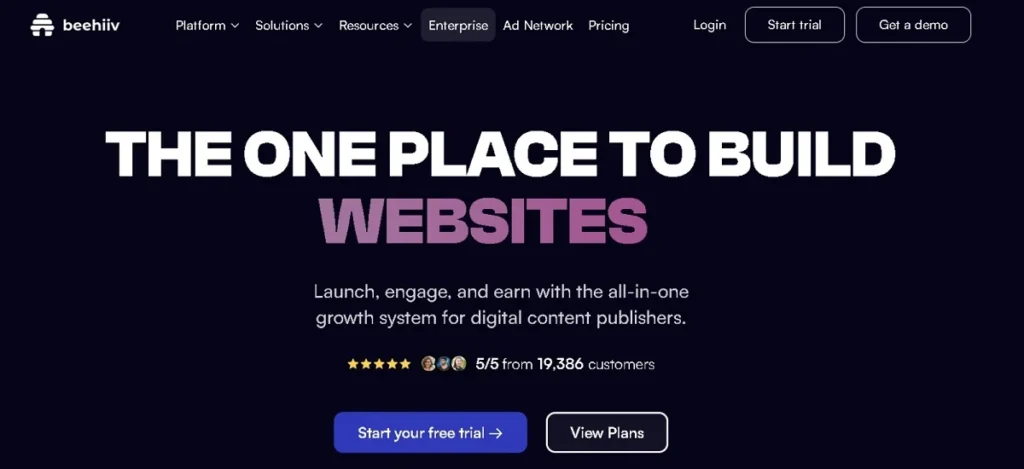
Monetization is flexible, you can run subscription-based newsletters, participate in an ad network, or use your own sponsorships. Despite these robust capabilities, the editor remains clean and distraction-free, allowing creators to focus on writing and connecting with their audience.
Ghost
Ghost is an open-source publishing platform that gives you complete ownership of your content and subscriber data.
Unlike hosted platforms where your data is tied to a provider, Ghost allows you to self-host or use its managed hosting service. It’s highly customizable, from branding and layout to membership tiers and payment structures.
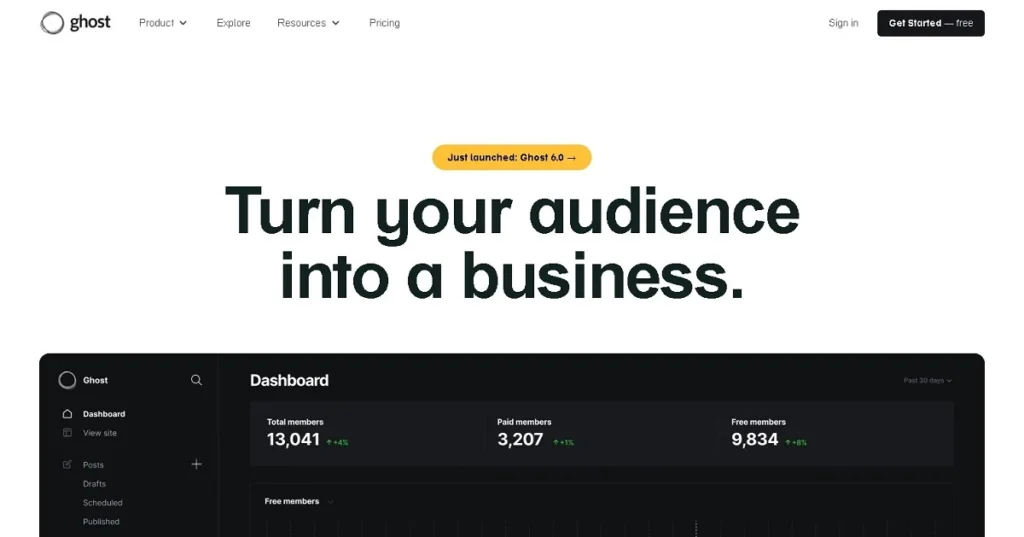
This makes it especially appealing to creators who value independence and want to build a fully branded newsletter and website without being restricted by preset templates.
It’s also developer-friendly, which means you can add unique design or functionality if you have the technical know-how.
Kit
Kit is a creator-focused platform designed for building newsletters and selling digital products in the same ecosystem.
Its automation tools let you create complex subscriber journeys, sending targeted emails based on user behavior, purchase history, or interests.
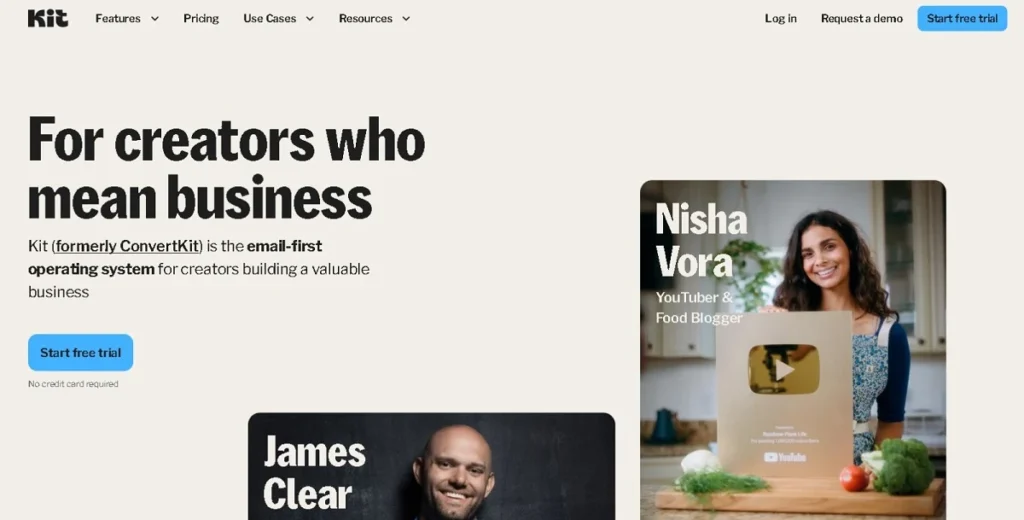
It’s ideal for creators who want to offer online courses, coaching, or workshops alongside their newsletter.
The platform also makes it easy to set up landing pages, forms, and sequences, so you can grow your subscriber base and monetize through both sales and subscriptions.
MailerLite
MailerLite is a simple yet powerful email marketing service that works well for creators who want more design flexibility than Substack.
Its drag-and-drop editor makes building visually appealing emails easy, and you can also create dedicated landing pages to capture leads.
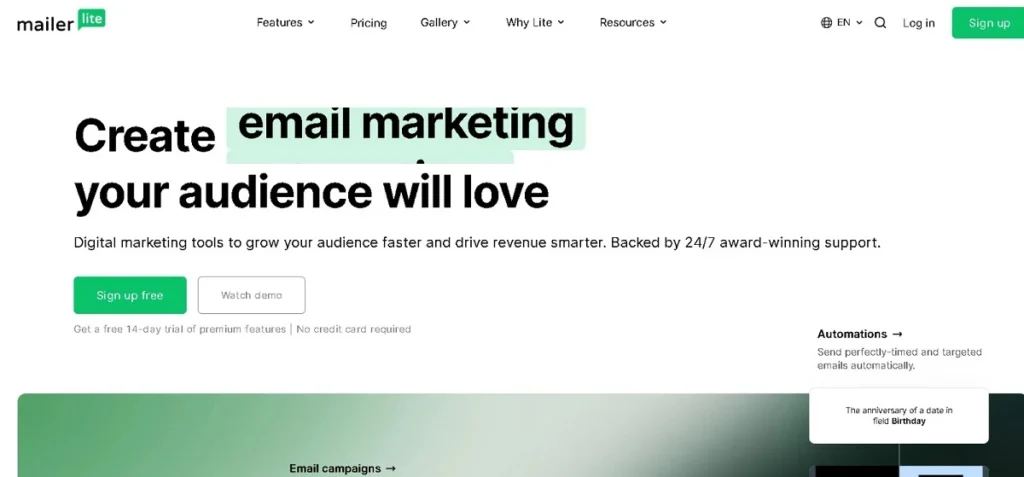
MailerLite includes automation workflows, so you can set up welcome sequences, re-engagement campaigns, or targeted content for specific segments of your audience. It’s also one of the more affordable platforms, making it a good choice for beginners who want professional features without a steep monthly cost.
Medium
Medium offers a ready-made audience of readers who actively seek out quality writing, which means you don’t have to start from scratch to find readers.
The platform’s partner program allows writers to earn based on how much time readers spend engaging with their content.
While customization options are limited, the clean interface and built-in audience make it a strong choice for thought leadership, essays, and long-form storytelling. Writers can also build an email subscriber list through Medium, keeping readers engaged both on and off the platform.
Detailed Comparison: Substack vs Alternatives
While Substack is a great starting point for many writers, comparing it to other platforms reveals important differences in pricing, monetization flexibility, and overall feature sets.
Pricing Differences
Substack uses a revenue-sharing model, taking a percentage of your subscription earnings instead of charging a flat monthly fee.
While this is appealing at first, especially for new creators, those with growing subscriber numbers may find the costs add up quickly.
Alternatives like Beehiiv or Ghost often offer tiered monthly plans or flat fees, which can be more cost-effective for high-revenue newsletters.
Monetization Options Side-by-Side
Substack focuses primarily on paid subscriptions and occasional sponsorships. Beehiiv expands on this with ad networks, referral incentives, and the option to run your own ad campaigns.
Ghost allows for more diverse membership tiers, direct product sales, and complete branding control.
The right choice depends on whether you want a single subscription model or a broader set of revenue streams like digital products, community memberships, and ads.
How to Choose the Right Newsletter Platform?
With so many options available, finding the best newsletter platform comes down to aligning the tool’s strengths with your goals.
- Consider Your Technical Skills: If you prefer an easy setup with minimal customization, a platform like Substack or Revue may be ideal. If you have some technical experience, or are willing to learn, Ghost or ConvertKit can offer far more flexibility and design control.
- Define Your Monetization Strategy: Think about whether your main revenue will come from paid subscriptions, selling digital products, ad campaigns, or a combination. Platforms like Beehiiv and Patreon are excellent if you want multiple income streams, while Substack keeps things simple with a single subscription model.
- Match Your Audience Growth Goals: Some platforms offer built-in audiences (Medium, Revue via Twitter), while others rely on you bringing in your own subscribers but provide more powerful growth tools (Beehiiv, ConvertKit). If you plan to scale quickly, choose a platform with automation, analytics, and referral systems to help you reach more readers faster.
Ultimately, the right platform isn’t just about features, it’s about how those features fit your workflow, audience, and long-term vision as a creator.
Tips to Monetize Your Newsletter on Any Platform
No matter which platform you choose, the key to earning from your newsletter is having a clear strategy that aligns with your audience’s needs and your content style.
Here are some effective newsletter monetization tips to help you maximize your income potential.

Offer Exclusive Paid Content
One of the most direct ways to monetize is by creating content that only paying subscribers can access. This could be in-depth reports, industry insights, advanced tutorials, behind-the-scenes updates, or early access to new releases.
By providing tangible value that readers can’t find elsewhere, you give them a strong reason to invest in a subscription.
Platforms like Substack, Ghost, and Beehiiv make it easy to set up paid tiers that automatically deliver exclusive content to premium members.
To make this work long-term, consistency is key. Set a publishing schedule for your premium content, whether weekly, biweekly, or monthly, and stick to it.
Over time, subscribers will begin to view your newsletter as a must-have resource worth the recurring payment.
Sell Digital Products
Another proven way to earn from a newsletter is by creating and selling digital products such as courses, ebooks, templates, or downloadable tools.
If your audience values your expertise, chances are they’ll be interested in related resources that help them achieve their goals faster.
Platforms like ConvertKit, MailerLite, and Ghost offer built-in ecommerce tools to sell products directly to your subscribers. This allows you to bypass third-party marketplaces, keeping more of your revenue.
You can promote these products through your regular email marketing campaigns, including free sample content or limited-time discounts to encourage purchases.
For example, a design-focused newsletter could sell Figma templates, while a marketing newsletter might offer a comprehensive guide to running profitable ad campaigns.
By aligning products with your existing topics, you make it easier for readers to see the value.
Run Sponsorships or Ads
If your audience is highly engaged, advertisers and sponsors may be willing to pay to be featured in your newsletter.
Sponsorships can be as simple as including a branded mention at the top of your email or as in-depth as a dedicated content partnership.
For independent creators, running your own ad campaigns means you keep full control over the brands you work with and the messaging your audience sees.
Platforms like Beehiiv offer an integrated ad network to connect you with sponsors, but you can also pitch brands directly for higher rates and more tailored partnerships.
The key is to ensure that ads or sponsored content are relevant to your subscribers. Irrelevant promotions can erode trust, but well-matched sponsorships can enhance your credibility while generating consistent revenue.
Learn More: Top Lovable AI Alternatives
Conclusion
Choosing the right newsletter platform is more than just comparing features, it’s about finding a service that supports your growth goals, fits your workflow, and gives you the tools to earn sustainably.
Substack remains a strong starting point for many, but as your needs evolve, platforms like Beehiiv, Ghost, ConvertKit, Revue, MailerLite, Medium, and Patreon offer powerful alternatives with different strengths.
If you prioritize ease of use and integrated monetization, Beehiiv or Patreon might be ideal. If you want full control over your design, audience data, and branding, Ghost stands out as a top choice.
For creators selling digital products alongside newsletters, ConvertKit offers a well-rounded set of tools.
And for those who rely heavily on social media integration, Revue’s connection with Twitter provides a seamless way to convert followers into subscribers.
Ultimately, the best newsletter platform is the one that matches your monetization strategy, audience engagement style, and technical comfort level.