Ecommerce competition is growing rapidly in 2026 as more businesses compete for the same customers, search visibility, and online sales. Generic ecommerce templates now struggle with performance, conversions, scalability, mobile UX, and brand differentiation as customer expectations continue increasing.
Custom ecommerce development gives businesses more control over user experience, SEO performance, scalability, and long-term growth. This guide explains how custom ecommerce stores improve website speed, customer experience, flexibility, and revenue growth compared to standard template-based platforms.
A custom ecommerce store is a fully tailored online shopping website built around a business’s unique products, branding, workflows, customer experience goals, and technical requirements instead of relying only on pre-built themes or standard templates.
Why Generic Ecommerce Templates No Longer Work for Growing Businesses?
Template-based ecommerce stores often work well during the early stages of a business, but they create limitations as traffic, product offerings, and customer expectations grow. Many shared themes across competitors make it harder for brands to stand out and create unique shopping experiences.
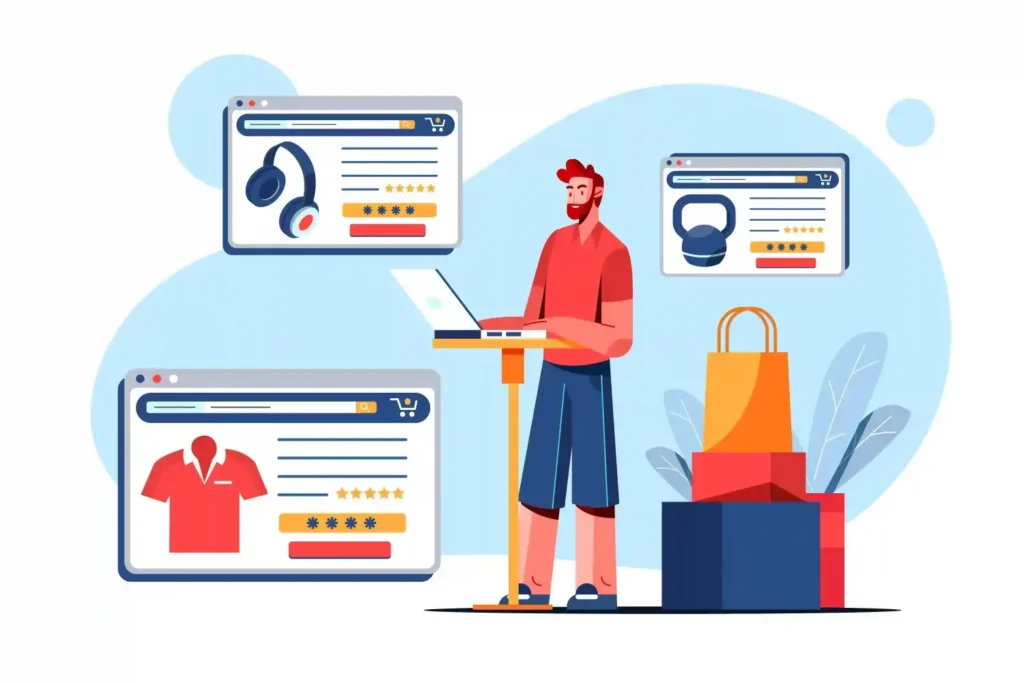
Generic templates also struggle with advanced ecommerce customization, scalability, and performance optimization. As stores grow, businesses often face slower page speeds, plugin conflicts, SEO limitations, and limited flexibility, all of which affect conversions and long-term growth.
How a Custom Ecommerce Store Improves SEO Performance?
A ecommerce store gives businesses more control over technical SEO, page speed, site structure, and mobile optimization. Built-in SEO tools and features, such as meta descriptions, are essential for improving visibility and rankings, making it easier to integrate with platforms like Google and Meta to enhance an online presence. Better ecommerce architecture helps search engines crawl products more efficiently, improving the user experience and long-term search visibility.
- Faster Page Speed: Custom stores allow better Core Web Vitals optimization and cleaner performance management. A single second of delay in page load time can lead to a 7% reduction in conversions for eCommerce sites.
- Better Crawlability: Improved technical SEO structure helps search engines crawl and index products more efficiently.
- Cleaner Site Architecture: Strong internal linking and organized category structures improve navigation and SEO performance.
- Optimized Mobile Experience: Mobile-first ecommerce UX improves rankings, usability, and customer engagement.
- Improved Product Indexing: Better product and category organization helps search engines better understand ecommerce content.
- Structured Data Support: Custom schema markup enhances rich snippets, product visibility, and search results.
- Optimized Meta Descriptions & Built-in SEO Tools: Leveraging built-in SEO tools and optimizing meta descriptions can significantly improve search engine visibility and increase click-through rates.
Why User Experience Matters More in Ecommerce?
Customers now expect faster, smoother, and more personalized shopping experiences across all devices. Poor checkout UX, slow websites, confusing navigation, and mobile usability issues often increase bounce rates and shopping cart abandonment quickly.
Mobile ecommerce continues to grow rapidly, which makes user experience even more important for conversions and customer retention. Businesses with faster websites, simpler checkout flows, and better mobile UX usually generate stronger engagement, repeat customers, and higher revenue growth.
Custom Ecommerce Features and Payment Gateways That Help Increase Sales
Custom ecommerce stores allow businesses to create shopping experiences tailored to customer behavior, product discovery, and conversion optimization. All these advanced ecommerce features help improve user experience, increase engagement, and generate higher sales as stores scale.
- Personalized Product Recommendations: AI-driven recommendations help customers discover products based on browsing behavior and purchase history. Personalized shopping experiences can increase customer loyalty and engagement, with studies showing that personalized product pages can boost revenue by 15-20%.
- Advanced Product Filtering and Search: Smarter filtering systems improve product discovery, enabling customers to find products faster.
- Faster Checkout Flows: Simplified checkout experiences reduce friction and lower cart abandonment rates.
- Custom Loyalty and Rewards Systems: Loyalty programs encourage repeat business and customer loyalty, improving long-term customer retention.
- AI-Generated Product Descriptions: AI tools can automatically generate high-quality, engaging product descriptions that improve search engine rankings and increase conversions.
- Subscription and Recurring Payments: Subscription systems create predictable recurring revenue for ecommerce businesses.
How Custom Ecommerce Shop Improve Mobile Shopping?
Mobile ecommerce continues growing rapidly, which means online stores now need faster, smoother, and mobile-first shopping experiences. Custom ecommerce development gives businesses greater control over mobile UX, performance optimization, and conversion-focused design than standard ecommerce templates.
- Faster Mobile Page Speed: Custom optimization improves loading speed and mobile performance across ecommerce pages.
- Mobile-First Responsive Design: Responsive layouts create smoother shopping experiences across all mobile devices and screen sizes.
- Simplified Mobile Checkout: Cleaner checkout flows reduce friction and improve mobile conversion rates.
- Better Touch Navigation and UX: Touch-friendly layouts, buttons, and menus improve usability and customer engagement.
- Mobile Payment Integration: Mobile wallets and faster payment systems improve checkout convenience for mobile shoppers.
Why Scalability Matters for Ecommerce Businesses?
Scalability is critical for ecommerce businesses because online stores must handle growing traffic, larger product catalogs, increasing customer activity, and more complex operations without slowing down or breaking functionality. A scalable ecommerce store helps businesses grow without constantly rebuilding infrastructure or limiting future expansion.

Handling Higher Traffic and Order Volumes
As ecommerce traffic and sales increase, websites need stronger infrastructure and optimized performance to maintain speed and checkout stability. Scalable ecommerce systems help businesses handle high traffic without crashes or slow load times.
Better scalability also improves customer experience during seasonal sales, marketing campaigns, and high-demand shopping periods.
Supporting Larger Product Catalogs
Growing ecommerce businesses often expand product categories, inventory, filters, and search functionality over time. Scalable ecommerce architecture helps stores organize and manage large product catalogs more efficiently.
Strong product structure also improves navigation, product discovery, and ecommerce SEO performance as inventory grows.
Integrating Advanced Business Systems
Modern ecommerce businesses often rely on CRM systems, ERP platforms, inventory tools, shipping systems, marketing automation, and analytics integrations. Scalable ecommerce platforms support these advanced business connections more effectively.
Better integrations help automate operations, improve customer management, and streamline backend workflows as the business expands.
Expanding International Ecommerce Operations
International ecommerce growth often requires multi-currency support, regional tax management, language localization, and global payment integrations. Scalable ecommerce stores make global expansion easier and more manageable.
Flexible ecommerce systems also help businesses improve the international customer experience and optimize regional performance.
Managing Future Feature Growth
As customer expectations change, ecommerce businesses often need new features, personalization systems, AI tools, subscriptions, loyalty programs, and advanced shopping experiences. Scalable ecommerce development makes future feature expansion easier without requiring a complete rebuild of the entire store.
Long-term flexibility helps businesses adapt more quickly to changing ecommerce trends, customer behavior, and technological advancements.
Ready to Build an Ecommerce Store That Fits Your Business?
Create a custom shopping experience with better performance, smoother buying journeys, and flexible features built for long-term growth.
How Custom Ecommerce Development Improves Brand Identity?
Custom ecommerce development gives businesses full control over store design and functionality. Unlike template-based solutions, it allows unique layouts, branded product pages, personalized shopping experiences, and a stronger visual identity tailored to business needs.
This helps ecommerce stores stand out from competitors using shared themes and generic designs. A more customized shopping experience also improves brand recognition, customer trust, and long-term engagement.
Custom UX also helps build stronger customer trust because businesses can control navigation, messaging, checkout experiences, and overall design consistency more effectively. A fully branded ecommerce experience often improves customer loyalty, engagement, and repeat purchases over time.
Security Advantages of Custom E-commerce Stores
Ecommerce security is becoming increasingly important as online stores handle larger amounts of customer data, process payments, and face automated bot traffic. Custom ecommerce stores offer stronger security, greater flexibility, and better control over protection systems than generic template-based platforms.
- Stronger Security Controls: Custom access management and advanced security configurations improve protection across ecommerce systems.
- Better Fraud Prevention: Advanced fraud detection systems help reduce fake transactions, suspicious activity, and payment abuse.
- Reduced Plugin Dependency: Fewer shared plugins reduce security vulnerabilities and compatibility risks.
- Improved PCI Compliance Support: Custom ecommerce architecture makes PCI compliance and payment security management easier.
- Better Bot Protection: Advanced security systems help block automated attacks, scraping bots, and malicious traffic more effectively.
Common Problems Businesses Face With Generic Ecommerce Platforms
Generic ecommerce platforms often work for smaller stores, but many businesses face performance, flexibility, and scalability issues as they grow.
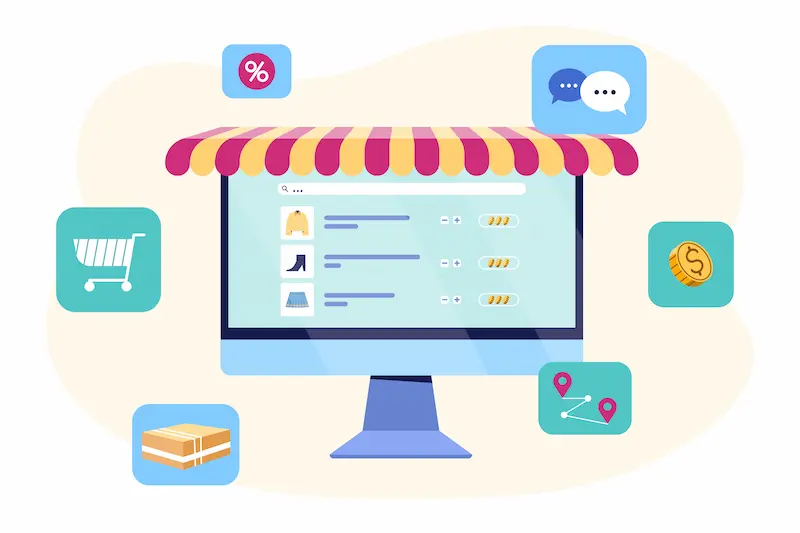
Shared themes and heavy plugin dependency can create technical limitations that affect SEO, conversions, mobile UX, and long-term ecommerce growth.
- Slow Website Performance: Bloated themes and unnecessary scripts often degrade page speed and Core Web Vitals.
- Limited Checkout Customization: Generic platforms usually restrict advanced checkout optimization and personalized customer flows.
- Plugin Conflicts: Multiple third-party extensions can create compatibility issues, bugs, and stability problems.
- Restricted Scalability: Many template-based systems struggle with high traffic, larger catalogs, and advanced ecommerce functionality.
- Weak Mobile Optimization: Generic themes often lead to inconsistent mobile shopping experiences and a weaker mobile UX.
- Heavy Third-Party Dependency: Businesses often rely too heavily on external plugins for features, updates, and integrations.
When Should a Business Upgrade to a Custom Ecommerce Store?
Many businesses reach a point where generic ecommerce platforms begin to limit growth, performance, and the customer experience. Upgrading to a custom ecommerce store becomes important when scalability, flexibility, SEO, and conversion optimization directly affect business revenue.
- Rapid Traffic Growth: Higher traffic and increasing order volumes begin to slow website performance and stability.
- Declining Platform Performance: Existing ecommerce systems struggle with speed, uptime, and technical efficiency.
- Rising Cart Abandonment: Poor checkout UX and limited customization are affecting conversions and sales.
- Need for Advanced Features: Businesses require custom integrations, personalized UX, subscriptions, or advanced ecommerce functionality.
- Platform Growth Limitations: Current ecommerce infrastructure restricts scalability, integrations, or long-term business expansion.
Best Practices for Building a High-Performance Ecommerce Store
A high-performance ecommerce store should focus on speed, scalability, mobile usability, and a smooth customer experience. Strong ecommerce architecture helps improve SEO rankings, conversions, checkout performance, and long-term business growth.
Prioritize Core Web Vitals Optimization
Core Web Vitals directly affect ecommerce SEO, page speed, and user experience. Faster page load times improve engagement, reduce bounce rates, and help customers move through the shopping journey more smoothly.
Optimizing images, reducing unnecessary scripts, improving caching, and cleaning bloated code can significantly improve website performance. Better Core Web Vitals also help strengthen search visibility and mobile usability.
Build Mobile-First Shopping Experiences
Most ecommerce traffic now comes from smartphones, which makes mobile-first design essential for modern online stores. Customers expect fast-loading pages, easy navigation, and smooth shopping experiences on mobile devices.
Responsive layouts, touch-friendly buttons, simplified menus, and mobile-optimized product pages improve usability and conversions. Strong mobile UX also helps improve SEO rankings and customer retention.
Simplify Checkout and Navigation
Complicated checkout systems are one of the biggest causes of cart abandonment in ecommerce. Customers are more likely to complete purchases when checkout flows feel simple, fast, and easy to understand.
Clear navigation, guest checkout options, fewer form fields, and faster payment methods reduce friction during the buying process. Better navigation also helps customers discover products more efficiently.
Optimize Product Search and Filtering
Large ecommerce stores need strong search and filtering systems to help customers quickly find products. Poor product discovery often leads to frustration and lower conversions.
Advanced filtering, predictive search, category organization, and AI-powered product recommendations significantly improve the shopping experience. Better search functionality also increases engagement and average order value.
Use Scalable Hosting and Infrastructure
Scalable hosting helps ecommerce stores manage higher traffic, larger catalogs, and growing order volumes without performance issues. Reliable infrastructure becomes even more important during seasonal sales and traffic spikes.
Strong ecommerce hosting improves uptime, security, speed, and server stability while supporting long-term business growth. Scalable systems also make future feature expansion and integrations easier to manage.
How AI and Personalization are Changing Ecommerce in 2026?
AI ecommerce systems are changing how customers discover products, shop online, and interact with ecommerce websites. AI-driven recommendations now help businesses improve conversions by showing more relevant products based on browsing behavior, purchase history, and customer preferences.
Personalized shopping experiences also improve customer retention and engagement by making ecommerce journeys feel more tailored and efficient. As AI search and ecommerce automation continue to grow, businesses need more flexible, customizable ecommerce platforms to adapt to changing customer behavior and shopping expectations.
Conclusion
Modern online businesses need faster performance, better scalability, stronger mobile experiences, and more flexibility to compete in 2026. Generic ecommerce templates often create limitations around SEO, conversions, advanced functionality, and long-term growth as stores become more complex.
A fully tailored ecommerce solution helps businesses improve user experience, strengthen branding, optimize performance, and support future expansion more effectively. Better infrastructure, personalized shopping experiences, and scalable architecture all play a major role in improving revenue and long-term ecommerce growth.
FAQs
What is a fully tailored ecommerce website?
A fully tailored ecommerce website is built specifically around a business’s products, branding, workflows, and customer experience requirements, rather than relying on generic templates.
Why do growing online businesses outgrow standard ecommerce templates?
Many growing businesses face limitations with performance, scalability, checkout flexibility, integrations, and advanced functionality as traffic and product catalogs increase.
How does tailored ecommerce development improve SEO?
Tailored ecommerce development improves page speed, mobile usability, crawlability, site structure, and structured data support, which helps improve search visibility.
When should a business move away from a template-based ecommerce platform?
Businesses usually upgrade when website performance slows down, conversions decline, traffic increases, or existing platforms limit future growth and customization.
Can better ecommerce UX improve sales?
Yes, faster websites, simpler checkout flows, mobile optimization, and personalized shopping experiences often improve conversions and customer retention.
Why is scalability important for online stores?
Scalable ecommerce infrastructure helps businesses manage higher traffic, larger product catalogs, growing order volumes, and future feature expansion without performance issues.