For years, Patreon has been the go-to platform for memberships and fan support, but it’s not the only option anymore. While Patreon is popular, it comes with drawbacks like high fees, limited customization, and strict policies that don’t always fit every creator’s needs.
That’s where alternatives come in. These platforms often offer lower fees, more flexible features, and tools designed for specific types of creators, whether you’re selling courses, sharing newsletters, or building a private community.
In this guide, we’ll walk you through some of the best Patreon alternatives, their unique benefits, and how they can help you monetize your content in smarter, more sustainable ways.
Why Look Beyond Patreon?
Patreon has undoubtedly helped thousands of creators build recurring income streams, but it’s not without its challenges. Many creators are now exploring alternatives, and here’s why:
- High fees and commissions: Patreon takes a percentage of your earnings, plus processing fees, which can eat into your income. For smaller creators, every dollar counts, and paying hefty fees often feels discouraging.
- Limited customization: Your Patreon page will always look like… well, Patreon. Branding is minimal, which means you’re promoting Patreon’s brand more than your own. Many creators want their platforms to reflect their unique style and identity.
- Payment restrictions & policies: Some regions face limited payout options, and Patreon has strict content guidelines. This can be frustrating if your niche doesn’t fit neatly into their rules or if you want more flexibility in managing payments.
- Desire for more control: At the end of the day, Patreon owns the platform, not you. Many creators want platforms where they have greater control over design, pricing, and community engagement, without worrying about sudden policy changes.
Key Features to Look for in a Patreon Alternative
If you’re considering moving away from Patreon, it’s important to know what makes a strong alternative. Here are some must-have features to keep in mind:
- Flexibility in pricing models: Look for platforms that allow multiple ways to monetize: subscriptions, one-time donations, tips, or even pay-what-you-want models. This flexibility helps you meet your audience where they are.
- Low transaction & platform fees: Every platform takes a cut, but the percentage matters. Choosing one with lower fees ensures more of your hard-earned income goes directly to you.
- Ease of use: A good platform should be intuitive for both you and your supporters. Complicated dashboards or confusing sign-up processes can turn people away.
- Branding options: The best alternatives let you add your logo, colors, and even use your own domain. That way, your platform feels like your brand, not just another profile on someone else’s site.
- Community tools: Engagement is key to long-term support. Look for features like live chat, commenting, exclusive groups, or even event hosting to keep your supporters involved.
- Global payments & accessibility: Your fans may come from around the world, so make sure the platform supports multiple currencies and easy payment options.
- Integration with existing tools: Bonus points if the platform works seamlessly with tools you already use, like your website, email newsletter, or social platforms. This saves time and makes managing your creator business smoother.
Discover: How to Add & Update Social Image Previews in WordPress
Build Your Own Custom Creator Platform!
Seahawk Media specializes in building white-label, scalable platforms for creators. Let’s create your custom solution now.
Top Patreon Alternatives for Creators
If Patreon doesn’t fit your needs, don’t worry, there are plenty of alternatives that offer flexible ways to monetize your content while giving you more control. Here are some of the best options:
Ko-fi
Ko-fi is one of the most popular Patreon alternatives, especially for independent creators.
It started as a “tip jar” style platform where fans could “buy you a coffee” (small donations), but it has since expanded to include memberships, commissions, and even a shop for digital products.
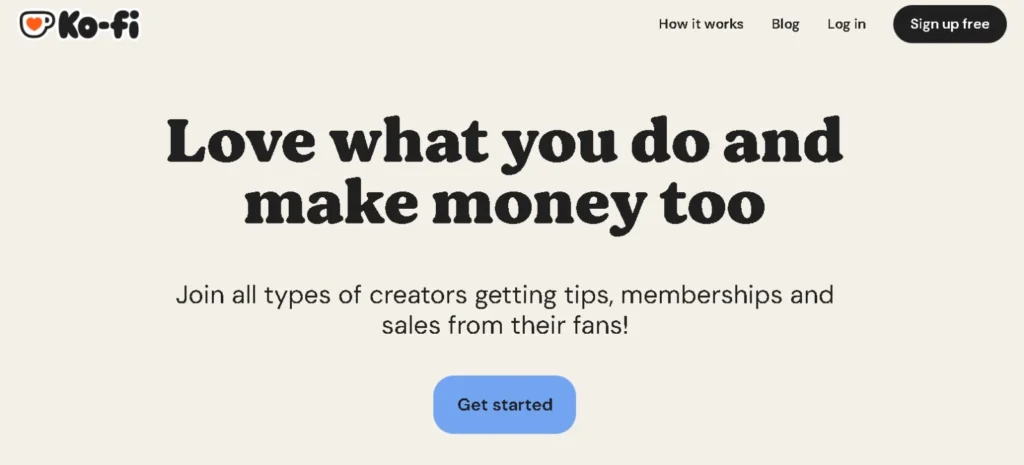
- Why creators love it: Zero platform fees on one-time donations, which means you keep more of what your supporters give.
- Best for: Writers, artists, and streamers who want a simple setup and a casual way for fans to show support.
- Extra perk: Ko-fi’s community vibe makes it easy to engage with fans without overwhelming them with tiers or complex pricing.
Buy Me a Coffee
Similar to Ko-fi, Buy Me a Coffee gives fans an easy way to offer one-time or recurring support. The big advantage? Its simplicity and focus on quick, casual interactions.
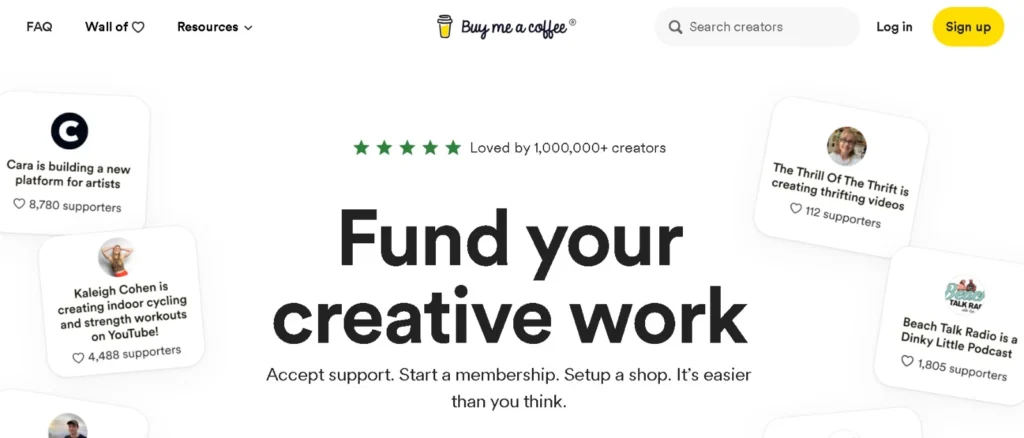
- Why creators love it: Straightforward setup, customizable branding, and low friction for supporters.
- Best for: Podcasters, indie creators, or anyone who doesn’t want a complicated subscription model but still wants recurring income options.
- Extra perk: The platform looks modern and polished, which helps you build credibility even if you’re just starting out.
Memberful
Memberful is a professional-grade membership platform owned by Patreon, but it functions as a standalone tool. Unlike Patreon, it integrates directly with your website and lets you keep everything under your own brand.
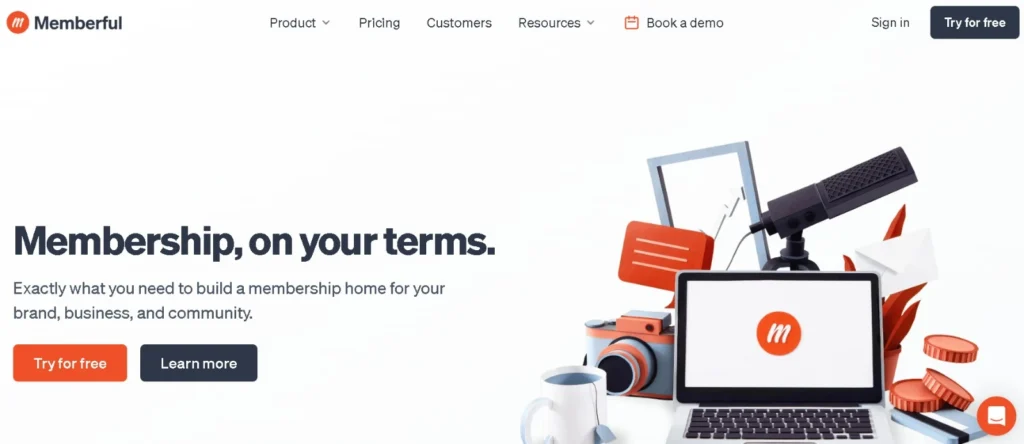
- Why creators love it: Full control and white-label branding, meaning your portal looks like your own site rather than another platform.
- Best for: Agencies, educators, and professional creators who want to build long-term recurring revenue under their brand.
- Extra perk: It works seamlessly with WordPress and other website platforms, giving you more flexibility.
Substack
Substack has exploded in popularity among writers and newsletter creators. It combines a publishing platform with subscription-based monetization, letting you send newsletters directly to paying subscribers.
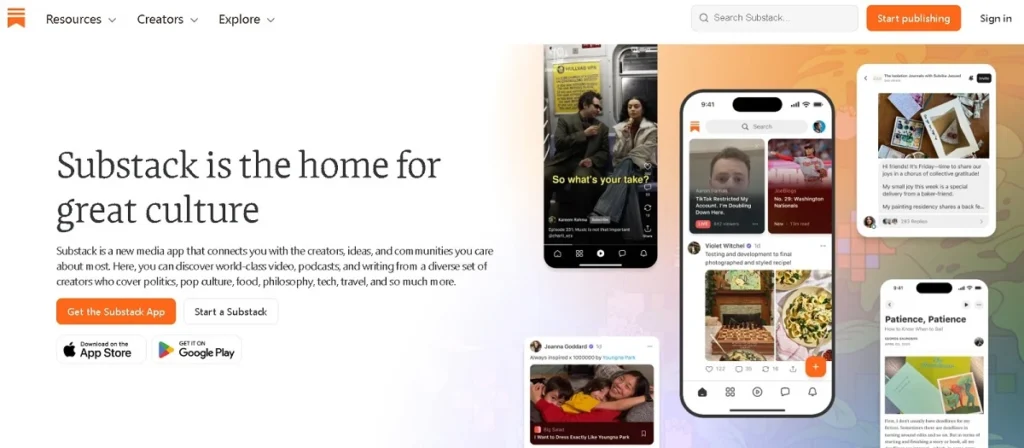
- Why creators love it: Easy setup for newsletters, built-in email delivery, and the ability to grow a loyal reader community.
- Best for: Writers, journalists, and bloggers who want to turn their content into a subscription business.
- Extra perk: Substack’s growing ecosystem means readers often discover new writers directly on the platform.
Gumroad
Gumroad is all about selling digital products. Whether it’s eBooks, design templates, music, or courses, it allows creators to earn from one-time sales, subscriptions, or even “pay what you want” pricing models.
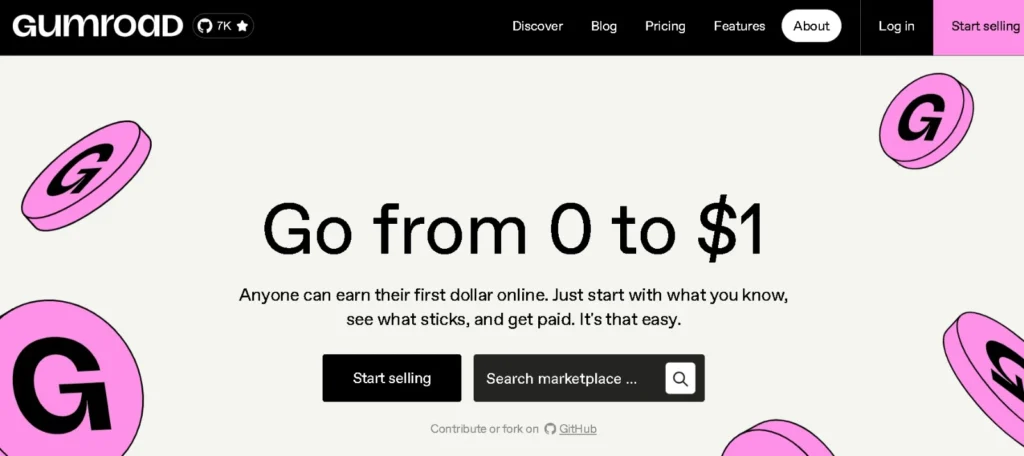
- Why creators love it: Extremely flexible, simple to use, and great for monetizing digital goods without middlemen.
- Best for: Designers, course creators, musicians, and anyone selling digital downloads.
- Extra perk: You can set up in minutes and start selling directly to your audience without needing a full e-commerce site.
How to Choose the Right Platform for You?
With so many creator platforms out there, it can feel overwhelming to decide which one fits you best. The key is to start by defining your content type.
Are you primarily writing newsletters, making videos, sharing digital art, or offering coaching services?
Each platform is built with different strengths, Substack is tailored for writers, while Gumroad works beautifully for digital product sellers.
Next, consider your audience’s preferred way to support you. Some fans love monthly memberships with perks, while others prefer quick one-time donations or buying digital products.
Choosing a platform that aligns with how your community already engages with you can make the transition smoother.
It’s also important to compare fees against features. Some platforms charge higher commissions but offer advanced tools like Google analytics, community spaces, or email marketing.
Others keep fees low but may lack the bells and whistles. The trick is to balance earnings with the features you actually need.
Think long-term too, will the platform grow with you? For example, a tip-based model might work in the beginning, but as your community expands, you may want memberships or product sales. Scalability is key if you’re serious about turning your side hustle into a business.
Finally, don’t be afraid to experiment with free versions or low-commitment options. Testing out platforms without going all-in gives you the chance to see what feels natural both for you and your supporters.
Learn More: Drip Campaign Guide
Tips to Maximize Your Earnings on Creator Platforms
Signing up for a creator platform is just the first step, success comes from how you use it. A powerful way to encourage support is by offering exclusive perks like behind-the-scenes content, early access to your work, or intimate Q&A sessions. These create a sense of belonging and reward your most loyal fans.
Consistency is everything. Engage your audience regularly with posts, updates, or quick check-ins. Even small updates let your supporters know they’re part of your journey, not just financial backers.
To boost revenue streams, mix one-time purchases with recurring memberships. For instance, you could sell a digital course on Gumroad while running a subscription tier on Ko-fi. This strategy diversifies your income and appeals to both casual and committed supporters.
Promotion is another key factor. Don’t just rely on the platform itself, share your portal across social media, your website, and especially your email list. Repeated exposure increases the chance that fans will eventually decide to support you.
Most importantly, focus on building a community, not just churning out content. Reply to comments, start discussions, and make your supporters feel heard. People are far more likely to stick around and invest in your work if they feel a genuine connection with you.
The Future of Creator Monetization (2025 and Beyond)
The way creators earn money is evolving rapidly, and the next few years promise even more exciting opportunities. One of the biggest shifts we’ll see is AI-powered tools for personalization.
Platforms are increasingly using artificial intelligence to deliver smarter recommendations, helping fans discover the content they’ll love most.
For creators, this means higher engagement and a better chance of converting casual followers into paying supporters.
Another trend is the rise of crypto and blockchain-based payments. As global audiences grow, creators need easier ways to get paid across borders.
Cryptocurrencies and blockchain solutions are paving the way for fast, secure, and low-fee transactions. This could be a game-changer for creators in regions where traditional payment processors are limited or expensive.
We’re also entering an era of hybrid monetization models that combine community-driven platforms with eCommerce features.
Instead of choosing between selling digital products or running memberships, creators will have platforms that seamlessly blend the two.
Imagine hosting a private community where fans can also buy courses, merch, or eBooks, all under one roof.
Finally, expect to see the growth of niche platforms tailored to specific types of creators. Instead of trying to serve everyone, new platforms will focus on specialized communities like podcasters, educators, musicians, or visual artists. This shift ensures creators get tools that truly match their needs while fostering tighter-knit audiences.
The future of creator monetization isn’t just about money, it’s about giving creators more independence, flexibility, and creative freedom.
Discover: Best AI Website Builders
Conclusion
When it comes to monetizing your creativity, Patreon isn’t the only path forward. While it’s been a popular choice for years, the creator economy has expanded, and today there are plenty of powerful alternatives that may serve your needs even better.
From donation-driven sites like Ko-fi and Buy Me a Coffee, to all-in-one platforms like Memberful, Substack, and Gumroad, each offers unique tools to help you earn while staying true to your brand.
The truth is, there’s no one-size-fits-all solution. The best choice depends on what kind of content you create, how you want to connect with your audience, and the long-term goals you’re aiming for. Writers, podcasters, educators, musicians, and artists all have different needs, and luckily, today’s platforms reflect that variety.
If you’re ready to take more control over your earnings, don’t just stick to one option. Experiment with a few platforms, test the waters with free or trial versions, and see what resonates most with your audience. A little trial and error can reveal the best fit and help you maximize your creative income.
So, the next step is simple: explore, experiment, and empower yourself with the platform that turns your creativity into a sustainable business.
FAQs About Patreon Alternatives
Which platform is best for beginners?
If you’re just starting out, Ko-fi and Buy Me a Coffee are fantastic choices. They’re simple to set up, don’t require advanced tech knowledge, and make it easy for casual supporters to chip in with donations or subscriptions.
Do these sites support international creators?
Most platforms now support global payments, meaning you can monetize your audience regardless of where they’re based. However, it’s important to double-check each platform’s payment partners and country availability to avoid restrictions.
Can I sell digital products on these platforms?
Yes! Platforms like Gumroad, Podia, and even Memberful allow you to sell digital goods such as eBooks, online courses, templates, or artwork. They’re ideal if you want to combine community support with actual product sales.
Why should I use a Patreon alternative?
Many creators look for Patreon alternatives because they want lower fees, more flexibility, and greater control over branding. Alternatives also offer unique features like direct product sales, white-labeling, or niche-focused tools that Patreon doesn’t always provide.